Fifty Years on West Leota
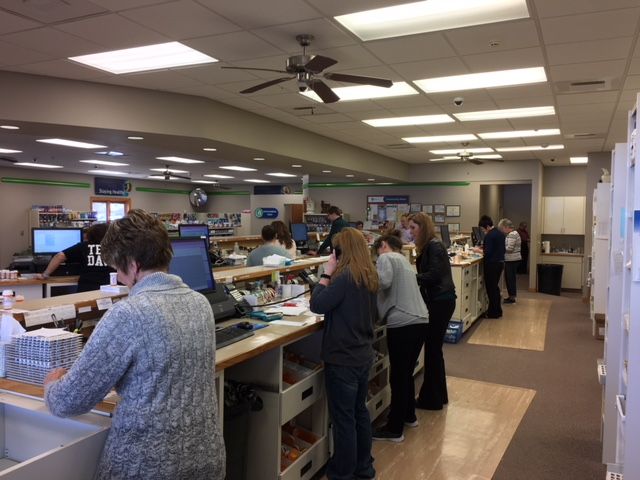
In 1975, Bill Snodgrass opened a small pharmacy on West Leota Street and started filling prescriptions for North Platte. Five decades later, the same pharmacy is still here, still on the same corner, still owned by the same family. A lot has changed in those fifty years. The way we run the place has too. What hasn't changed is what we set out to do in the first place: take care of the people in this town, by name.
A different North Platte
Fifty years ago, the chains hadn't muscled their way into rural pharmacy yet. Most of the people filling here were neighbors. Bill knew their kids, their parents, their dogs. When you walked in, you didn't get a number. You got a "Hi, what's going on with you today?"
That part is still true. We still call patients by name. We still know whose grandmother is in for her shingles shot, and we still ask how the family is doing. The difference is that now we have a Digital Assistant named Marissa picking up the first ring of the phone, three drive-thru lanes instead of one front counter, and an app that lets you refill from your couch. The point of all of it is the same: take less of your time so we can spend more of it actually helping you.
Travis joins, and the place gets sharper
Travis Covey came on as co-owner because the work needed two heads. Bill brought fifty years of pharmacy instincts. Travis brought the operational mindset to keep us moving as the patient list grew. They run the place together now. Bill's the one you'll see on Facebook in a Pillfather costume telling you to refill your prescriptions. Travis is the one who'll explain why the multi-dose packaging program is going to make your week easier.
Two perspectives. One pharmacy. Both of them are here most days.
What we've kept
- A staff that recognizes patients without checking the screen first
- Free delivery in town, because if you can't make it to us we'll come to you
- Walk-in vaccines, no appointment, in and out in 15 minutes
- Three drive-thru lanes that move because we built them to move
- Pharmacists who pick up the phone after Marissa hands them off
What we've added
- Mobile app refills (RxLocal) so your refill happens from your phone
- Medication synchronization so all your prescriptions are ready on the same day each month
- Multi-dose packaging that organizes pills by date and time of day, no weekly pill organizer required
- Medicare Part D plan reviews each fall during Open Enrollment
- A digital assistant that answers questions 24/7 so you don't have to wait until we're open
Fifty years and counting
The reason we've been here this long isn't a marketing line. It's the same reason any local business survives: the people on this side of the counter and the people on that side trust each other. We don't take that lightly. We're not going anywhere.
If you've been a patient here for decades, thank you. If you're new and you just found us, come in. We'll know your name by the second visit.
Back to all articles
Why USave Moves Fast (And How We Pull It Off)
Most pharmacies feel slow because they're built that way. One front counter. One register. A line that loops back into the OTC aisle. We did things differently here, and the result is a pharmacy that gets you in and out without you having to plan your day around it.
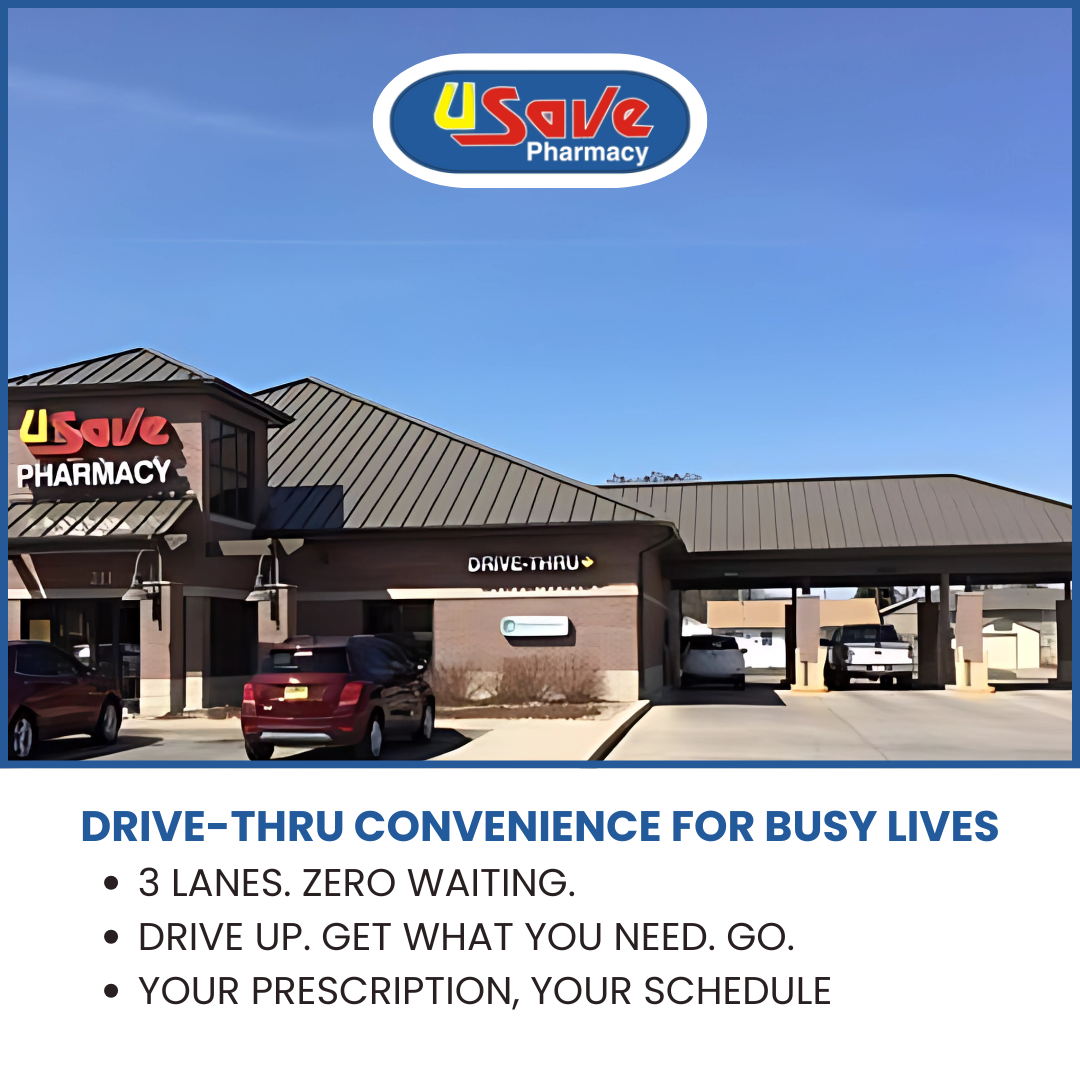
Three drive-thru lanes, on purpose
When we redesigned the drive-thru, we put in three lanes instead of one. Not because we were showing off, because the math just made sense. One slow car shouldn't hold up everyone behind them. So now if the family in the front is asking the pharmacist about three new medications, the next two cars pull around and go.
It's the most boring kind of innovation, and it's the one people thank us for the most.
Walk-in vaccines, 15 minutes
Most pharmacies make you book a vaccine appointment days in advance. We don't. Walk in any time we're open, and you'll be out in about 15 minutes. Flu, COVID, shingles, pneumonia, Tdap, back-to-school shots. All of them on the same workflow. You don't need an appointment. You don't have to wait two weeks.
If your kid needs sports physical paperwork or your insurance just kicked in, this matters. We do this every day.
Free delivery in town
If you can't make it to us, we'll come to you. Our delivery driver runs the route Monday through Saturday, free for anyone in North Platte city limits. Just mention delivery when you place the refill, by phone, app, or at the counter, and we'll add you to the route.
Marissa picks up first
When you call, you don't get a phone tree. You get Marissa, our Digital Assistant. She can answer hours questions, refill status, vaccine availability, and most of the simple stuff right away. If you need a real person, she hands you to a pharmacist a few seconds later. Either way, no hold music.
A staff built for this
Speed without accuracy is dangerous in a pharmacy. The reason we can move quickly is that we have enough hands behind the counter to do it safely. We're not trying to run a four-person operation with two people. We're staffed for the volume we do.
The result is a pharmacy that respects your time without cutting corners on the part that matters.
Back to all articles
What is Medication Synchronization (And Should You Set It Up)
If you take more than two prescriptions, you've probably had this conversation with yourself: "Wait, didn't I refill the blood pressure one last week? Then why is the cholesterol one out today?"
Different prescriptions have different cycles. They drift apart. You end up at the pharmacy three or four times a month for refills you should have been able to pick up at once. Medication synchronization fixes that.
The basic idea
We line up all your prescriptions to be ready on the same day every month. You pick a day, we adjust the refill cycles once, and from then on everything is ready together. One pickup, one trip, one date to remember.
Who it actually helps
If you take three or more regular prescriptions, this saves you real time every month. It especially helps:
- Patients managing chronic conditions like diabetes, blood pressure, or thyroid
- Caregivers picking up for a parent or family member
- Anyone who's run out of one medication while the others still have refills left
- People who use our delivery service (one delivery instead of several)
How we set it up
The first month is a one-time alignment. We talk to your prescribers if any adjustments are needed, and we coordinate a partial refill or two so everything lands on the same day going forward. After that, you don't have to think about it.
If you sign up for delivery, your synced refills can come to your door free of charge. If you also use multi-dose packaging, the pre-sorted packages arrive ready to use on the day they're ready.
What happens when life changes
Doctor adds a new prescription? We fold it into your sync schedule next cycle. Going on vacation? Tell us, we'll do an early refill so you're covered. Coming off a medication? It just falls out of the sync.
It's flexible. It's free. And it solves a problem most patients don't realize they have until we set it up for them.
Setting it up
Stop in or call (308) 532-0310. We'll pull up your prescriptions and tell you what a sync schedule would look like. The whole conversation takes about five minutes.
Back to all articles
Walk-In Vaccines: What We Do, When You Need Them
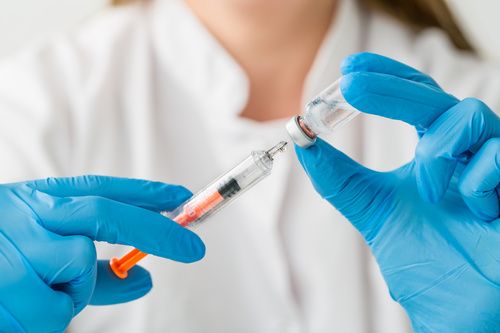
You don't need an appointment to get a vaccine at USave. Walk in anytime we're open, and you'll be out in about 15 minutes. That's not a marketing claim, it's just the workflow we built. Most days nobody is ahead of you.
Here's what we do, when most people need each one, and what to know before you stop in.
Flu
Best window: late September through October.
Why early matters: it takes about two weeks for the vaccine to fully kick in, and flu activity in Nebraska usually picks up in November. Get it before Halloween and you're protected for the season.
COVID-19
Available year-round. The CDC updates the recommended formulation annually, and we carry the current dose as soon as it's released.
If you're 65+, immunocompromised, or living with someone who is, talk to us about the timing of your next dose.
Shingles
Recommended for adults 50 and over. Two doses, two to six months apart. Insurance and Medicare Part D usually cover it, though some plans need prior authorization. We'll check before you pay.
It's a vaccine that prevents one of the most painful conditions a person can develop in their 60s and 70s. Worth it.
Pneumonia
Recommended for adults 65 and over, and for younger adults with certain chronic conditions (diabetes, COPD, heart conditions, smokers). One dose, one walk-in.
Tdap (Tetanus, Diphtheria, Pertussis)
Recommended every 10 years for all adults. Pregnant women get a Tdap during the third trimester to protect newborns. New grandparents are often surprised this is still on their list.
Back-to-school
Schools in Nebraska require certain immunizations at specific grade levels. We can pull up the requirements, check what your kid has had, and fill the gaps. Bring shot records and we'll handle the rest.
What to bring
- Your insurance card or Medicare card
- A list of any other vaccines you've gotten this year
- Photo ID
- For kids: shot records and a parent (we can't vaccinate a minor without one)
What we don't do
We don't do travel vaccines (yellow fever, Japanese encephalitis, etc.). For those, your primary care office or a travel clinic is the right call. Everything else routine, we have.
When to come
Anytime we're open. Mornings tend to be quietest. The drive-thru is for refills only, vaccines happen inside at the consult window.
Back to all articles
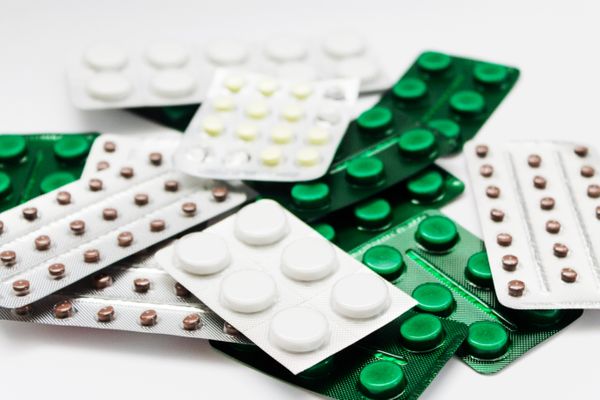
Multi-Dose Packaging: What It Is and Why People Switch
If you take medication at multiple times during the day, you know the drill. A row of pill bottles on the counter. A weekly pill organizer that you forget to refill on Sunday. A moment most weeks where you can't remember if you took the morning pill.
Multi-dose packaging is the fix for that whole routine. Instead of bottles and weekly organizers, your medications come in pre-sorted, sealed packages, organized by date and time of day. We pack them. You tear them open.
What a packet looks like
Each packet is labeled with:
- The date
- The time of day (morning, afternoon, evening, bedtime)
- The medications inside
- Special instructions if any
You take what's in the packet for that time slot. That's it. No sorting. No forgetting which pill is which.
Who it makes the biggest difference for
- Patients on five or more daily medications
- Caregivers managing pills for a parent or spouse
- Anyone with cognitive load issues (Parkinson's, early dementia, post-stroke)
- People who travel frequently and don't want to bring six bottles
- Patients who've missed doses recently and want to stop
For families managing a parent's medications from a distance, this changes the conversation. Instead of "did you take your pills?" it's "what packet are you on?"
How travel works
The packets are airport-friendly and travel-ready. Take exactly the days you need, leave the rest at home. No bottles to declare, nothing to repack at the hotel.
How we set it up
We start by reviewing all your current prescriptions, both from us and any other pharmacies you fill at. We coordinate with your prescribers if anything needs adjusting. Then we pack your first batch.
After that, your monthly packets are ready on a synced schedule (we usually pair this with medication synchronization so everything aligns to one pickup day). You pick them up, we deliver them, or we drop them at the drive-thru. Whatever's easiest.
What it costs
Small packaging fee per month. Most patients find it worth it the first time they hand a parent a pre-sorted week's worth of pills and watch the stress disappear.
Starting
Call (308) 532-0310 or stop in at 211 West Leota Street. We'll review your medications and tell you what your packets would look like. About 10 minutes.
Back to all articles

Medicare Open Enrollment: What to Actually Look At
Open Enrollment runs October 15 through December 7 each year. It's the only window most Medicare beneficiaries can switch their Part D prescription drug plan, and the choices you make in those eight weeks determine what your medications cost for the next twelve months.
Here's what we look at when we sit down with patients during Open Enrollment, and what to bring if you want us to walk through your options.
What to bring
- A list of every prescription you currently take, including doses
- Your current Medicare Part D plan name (if you have one)
- Your Medicare card
- Your zip code (plans vary by region)
We can pull up the formulary for any Part D plan in Nebraska and check which of your medications are covered, which tier they're in, and what they'll cost on each plan.
The four things to compare
- Premium: the monthly cost to be on the plan. Don't just pick the lowest premium.
- Deductible: how much you pay out of pocket before the plan starts contributing.
- Copays for your specific medications: this is where plans diverge most. The same drug can be a $5 copay on one plan and $80 on another.
- Pharmacy network: most Nebraska Part D plans cover us, but verify before you switch.
A plan with a higher premium can easily save you hundreds per year if it has better copays for the medications you actually take. A "cheap" plan with a $0 premium can cost you thousands if it puts your maintenance medication on a high tier.
Common situations we see
You started a new medication this year. Plans set their formularies a year in advance. The plan that worked for you last year may not cover the new prescription, or may put it on a tier that costs you more.
You moved to Medicare from employer insurance. The first plan you signed up for at age 65 may not still be the right one. Plans change benefits annually.
You have a Medicare Advantage plan. Medicare Advantage usually includes Part D coverage built in. Switching during Open Enrollment works differently. We can help you read the prescription portion of an Advantage plan to see what your medications cost.
When to come in
Mid-October through November is best. Earlier in October, the new year's plan details are often not yet released. After Thanksgiving, the consult window gets crowded. Mornings are quieter than afternoons.
If you can't make it in, call (308) 532-0310 and we'll either book time over the phone or run the comparison and call you back.
Beyond Open Enrollment
If you have a Special Enrollment Period (move, lose coverage, etc.), you can switch outside Open Enrollment. Talk to us if your situation changes.
Back to all articles
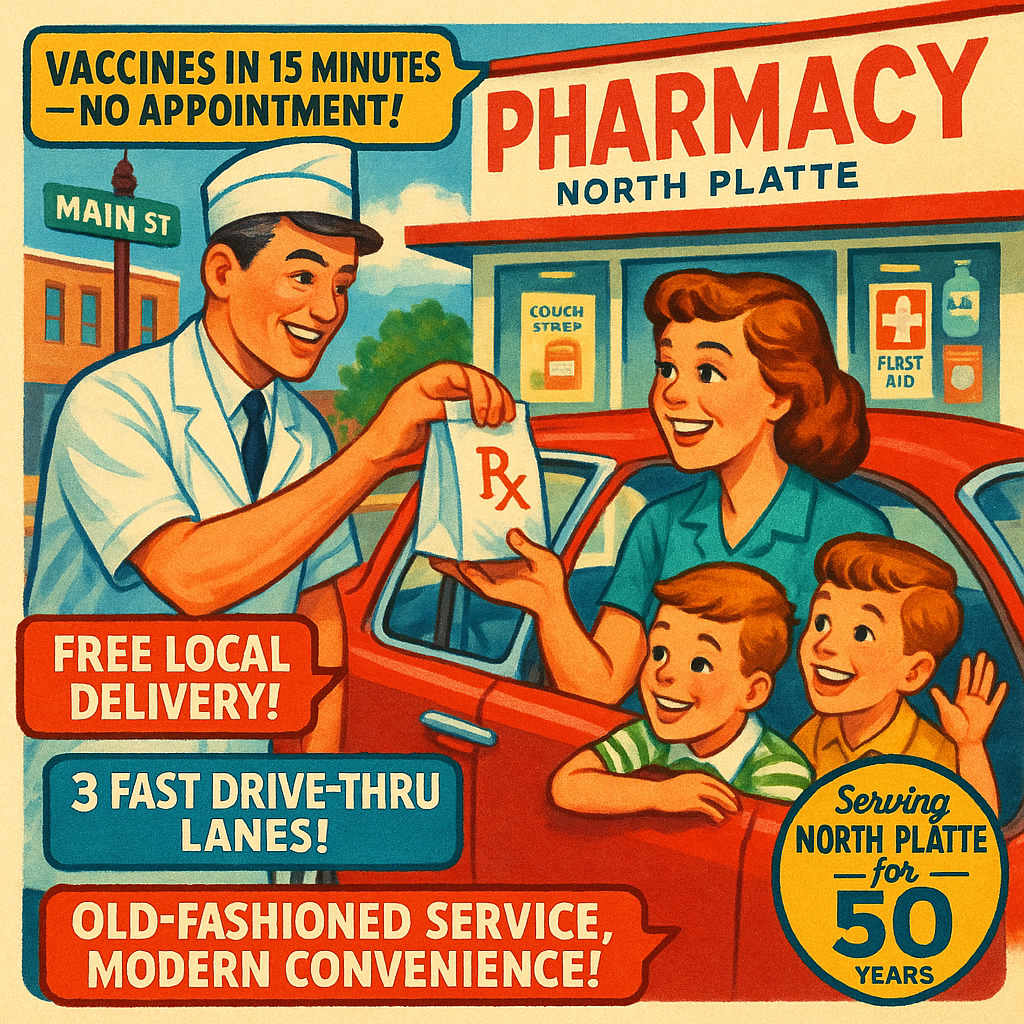
What 50 Years of Knowing Your Patients Looks Like
There's a moment that happens at our counter a few times a week. Someone comes in for a refill, and Bill or Travis stops them: "Hold on, you started this one last month, right? How's it sitting with you?"
That's the moment. Not the prescription itself. The catch.
A national chain pharmacy fills 200,000 prescriptions a year and the pharmacist has never met you. Of course they're not going to remember that you started a new med last month, that your blood pressure med was changed in February, that you've mentioned your stomach has been off lately. That's not their fault, the system isn't built for it.
Our system is built for it. And it's the thing that catches problems before they become problems.
What "knowing your pharmacist" actually changes
It's not bedside manner. It's medication safety.
When Bill, Travis, or any of our pharmacists knows your full medication list and has had a real conversation with you in the last month, here's what they catch:
- A new prescription that interacts badly with one you've been on for years
- A dose that doesn't match the patient's weight, age, or kidney function
- A refill pattern that suggests you're skipping doses (or doubling up)
- A side effect you mentioned offhand last visit that's actually a known reaction
- A cheaper alternative that's the same drug, different brand
These aren't theoretical. We catch each of them several times a month. Usually it's a quick "let me call your doctor" and the issue gets resolved before you ever take a wrong dose.
Why we know your name
There's no trick. We've been in the same spot for 50 years, our staff doesn't churn, and we built the workflow around being able to look up while we're filling and recognize who walked in. Marissa, our Digital Assistant, handles the mechanical phone questions so the pharmacists have time to actually talk to people. Multi-dose packaging customers come in once a month and we get to check in. Med sync customers do the same.
The technology we've added isn't there to replace the relationship. It's there to free up the time it takes to maintain one.
What this means for new patients
If you've been with a chain pharmacy for years, the switch feels weirdly fast. After your first visit, we have your medication list. After your second, we recognize you. After your third, we're asking how the new prescription is going without you having to remind us.
It's not magic. It's just a small enough operation that this is possible.
How to switch
Fill out the transfer form on our website or call (308) 532-0310. We do the actual transfer call to your old pharmacy. You don't have to make any awkward calls.
Back to all articles